Good afternoon.
Unlike 2024, 2025 was a very good tropical season for the entire US with no landfalling hurricanes.
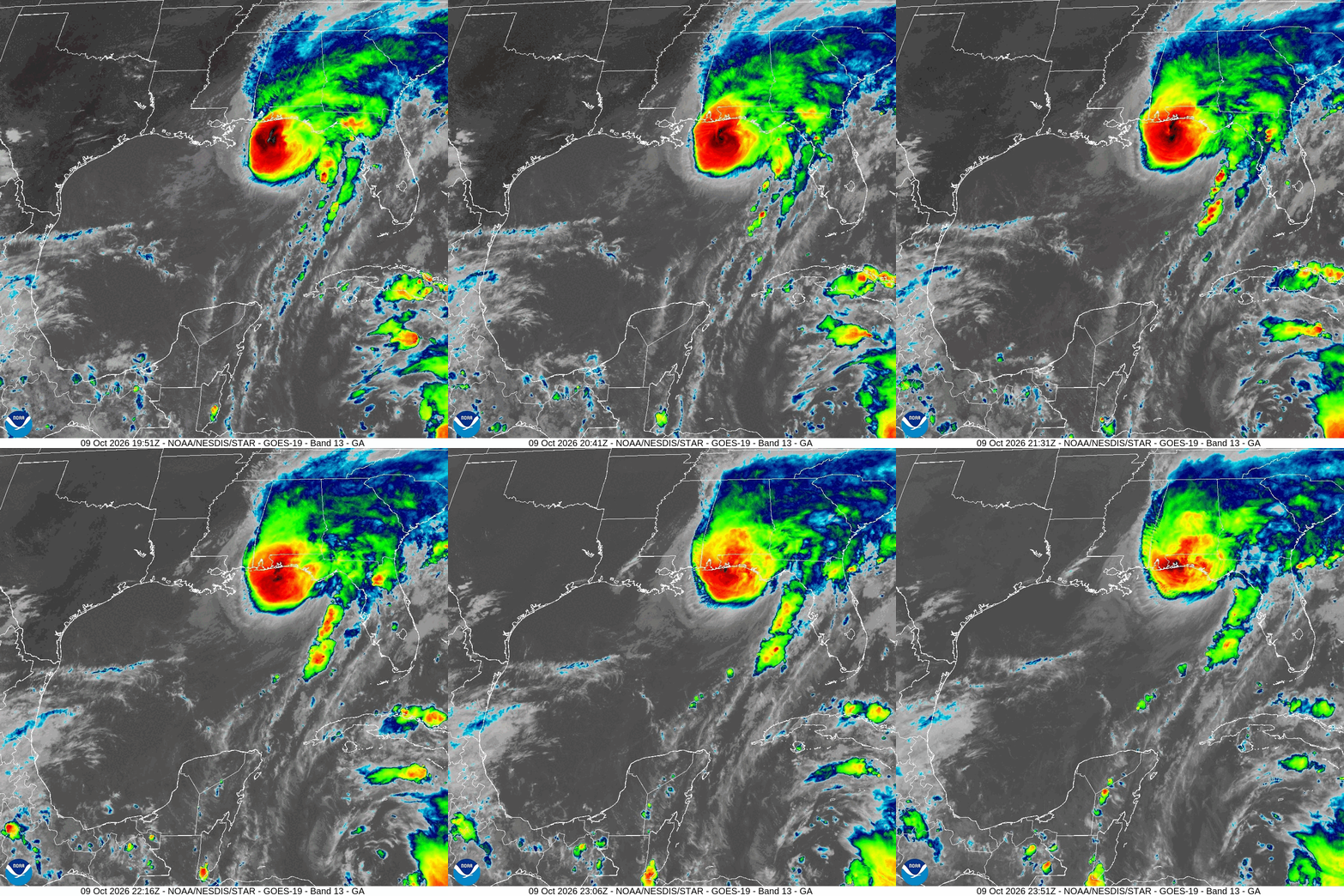
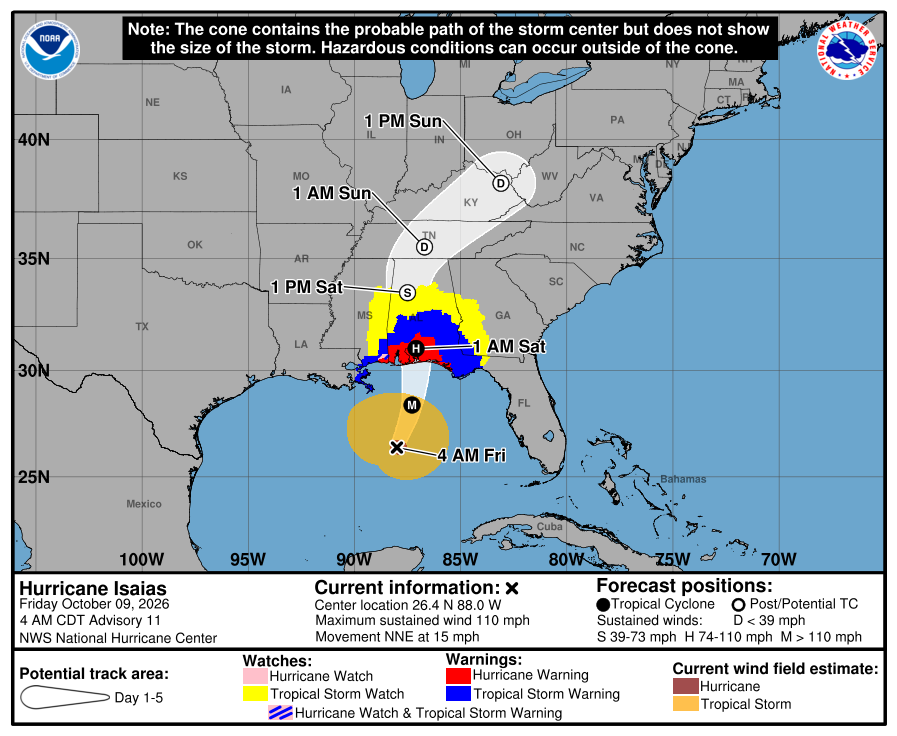
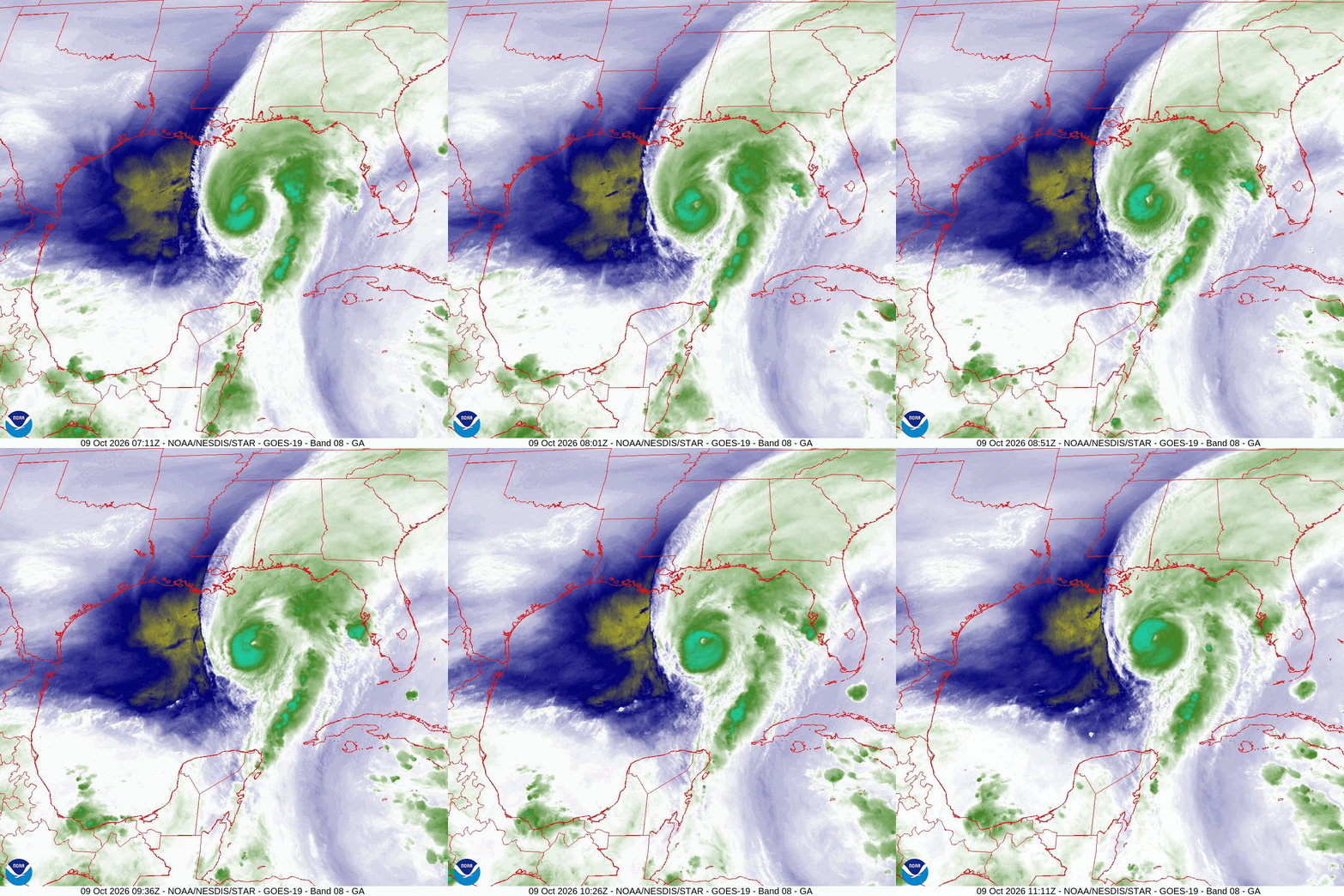
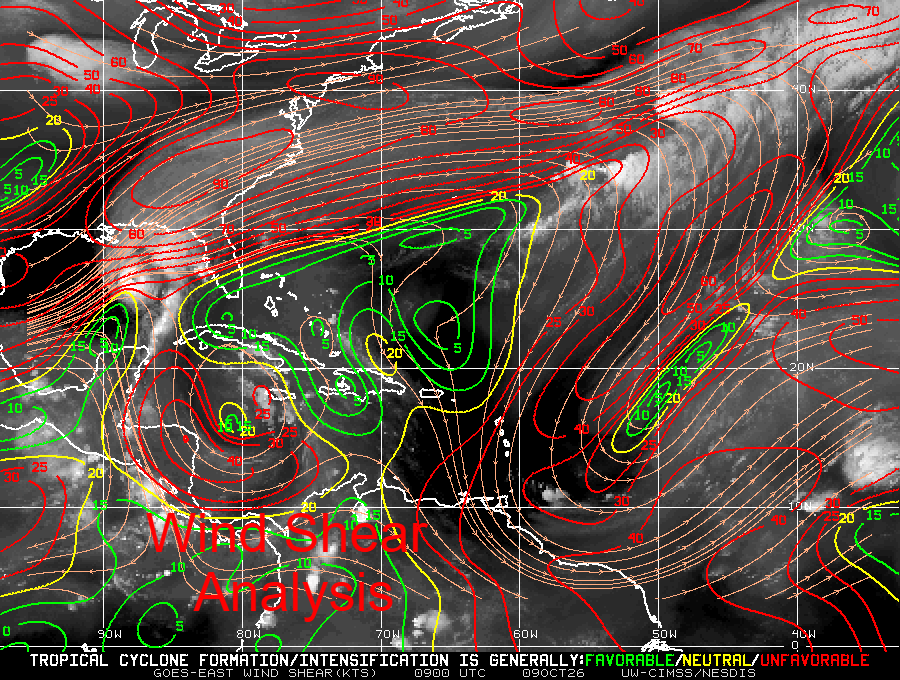
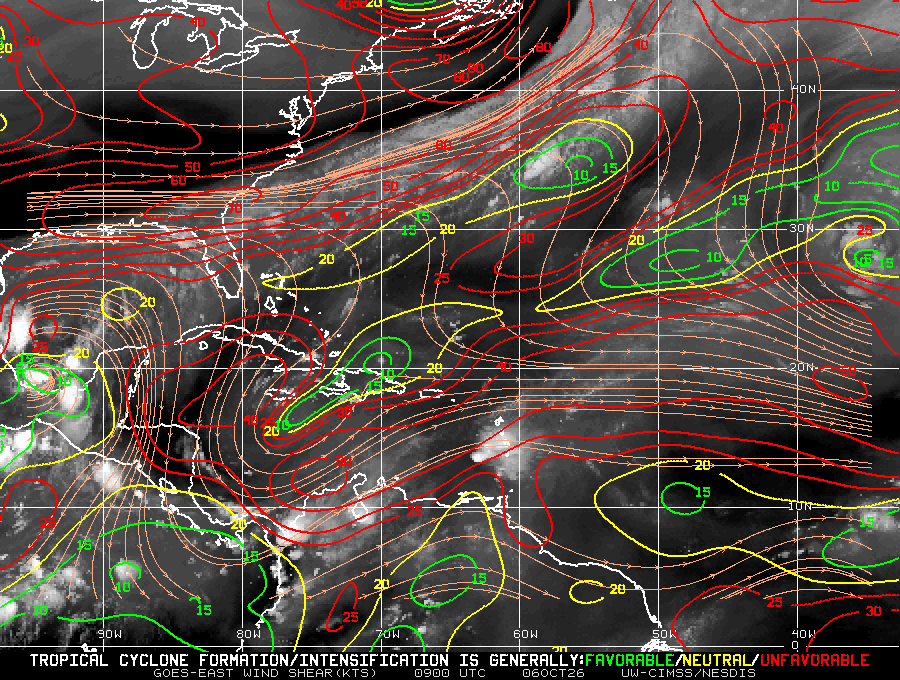
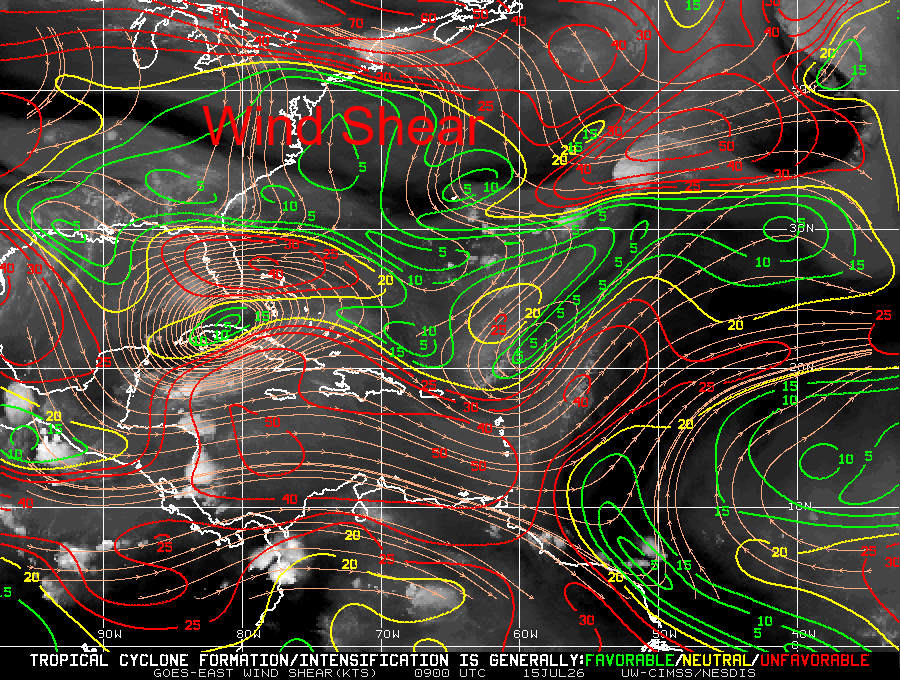
We are currently in a La Nina which is forecast to end by the end of this month. An El Nino is forecast to start in August and become strong by September/October. This combined with below average water temperatures in the far Eastern Atlantic should lead to a reduced Cape Verde season (which are the storms that pose the greatest risk to South Florida). If you look at the maps below you will notice several things.
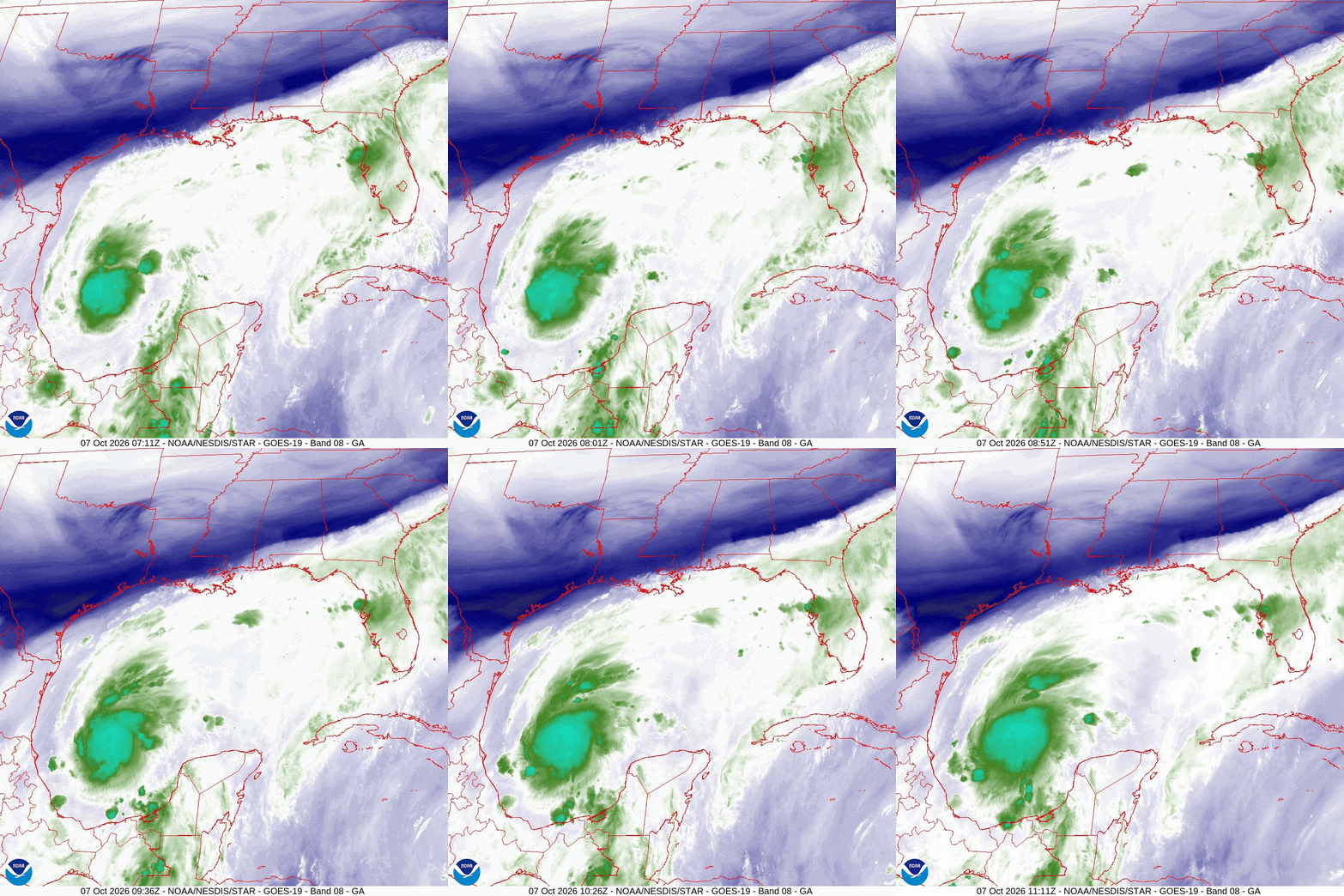
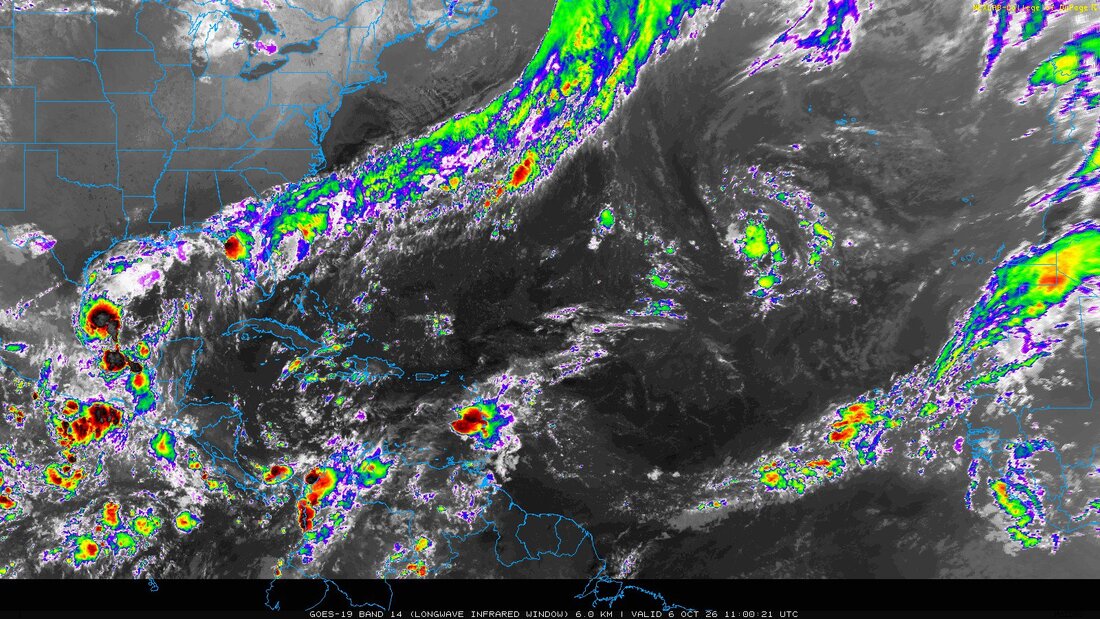
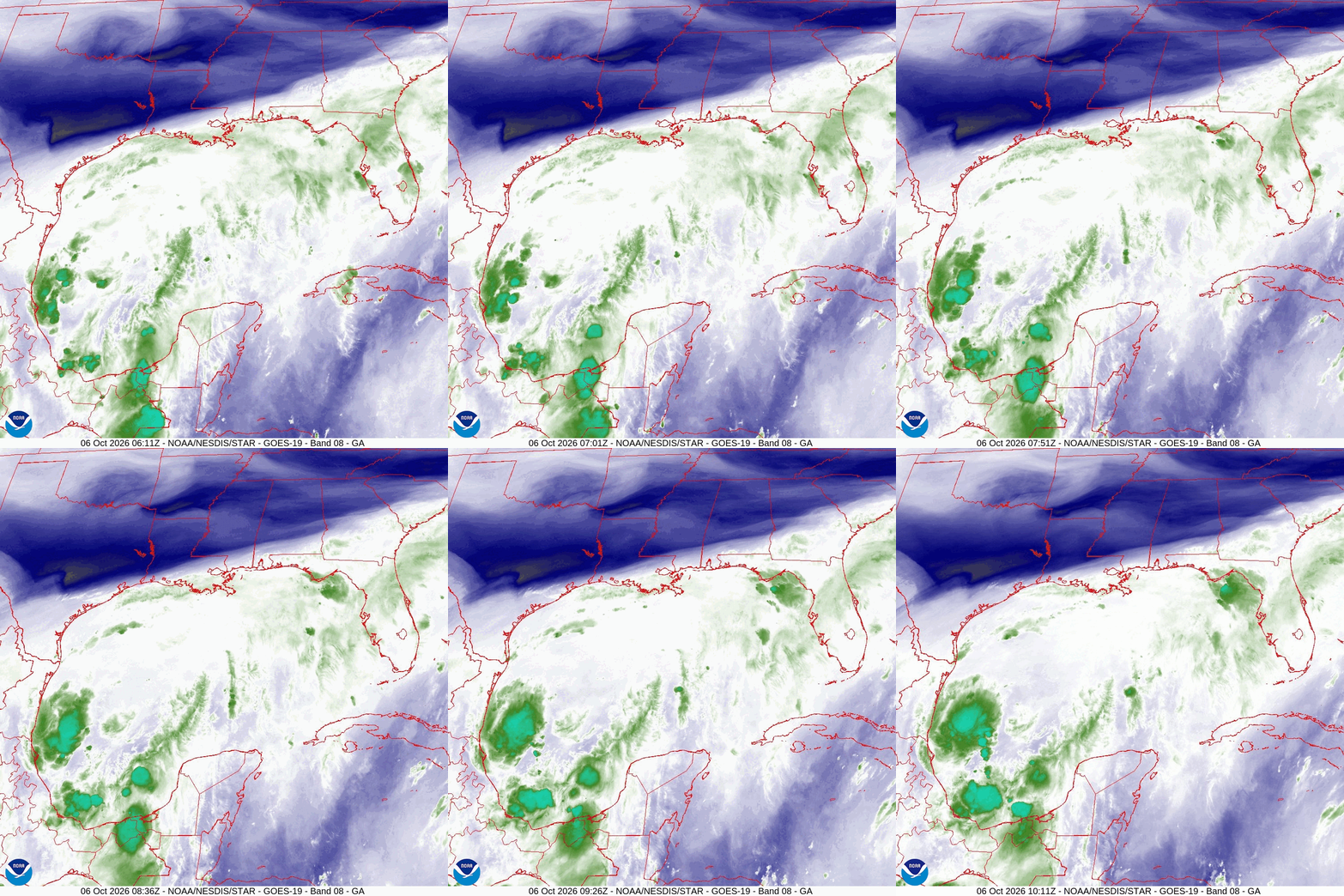
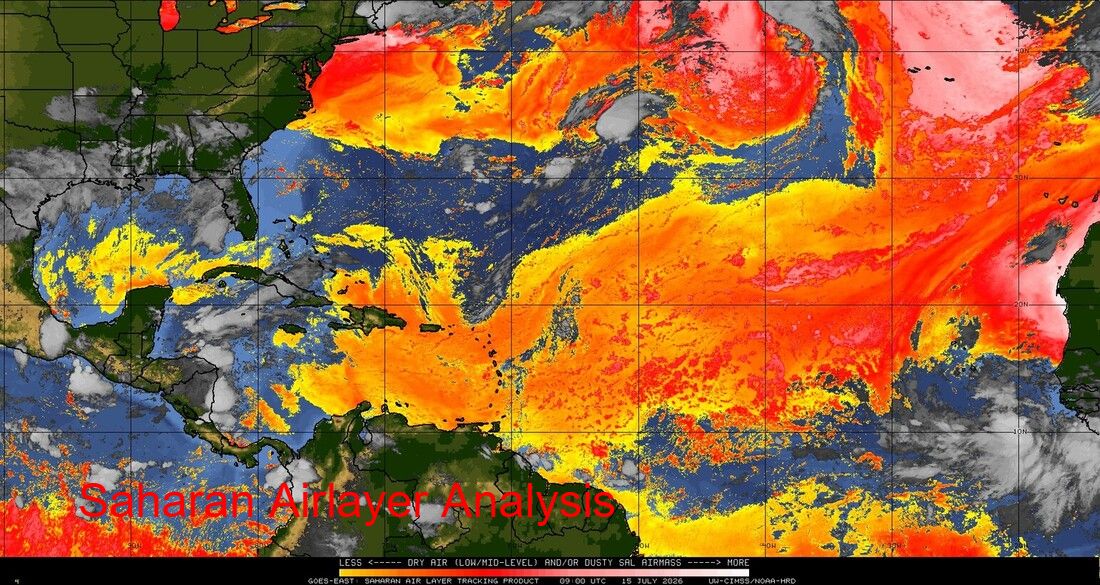
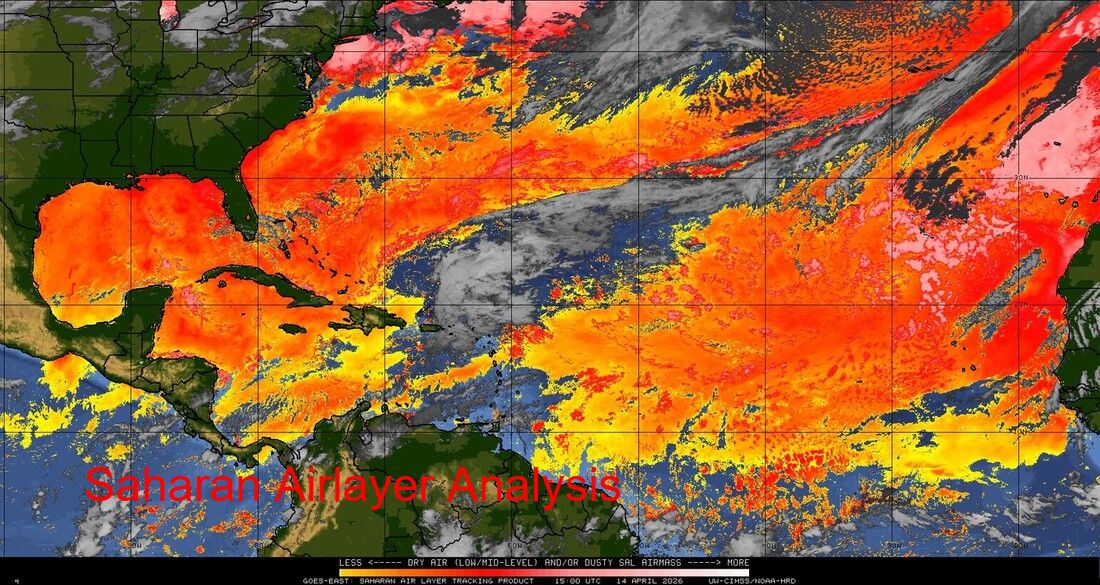
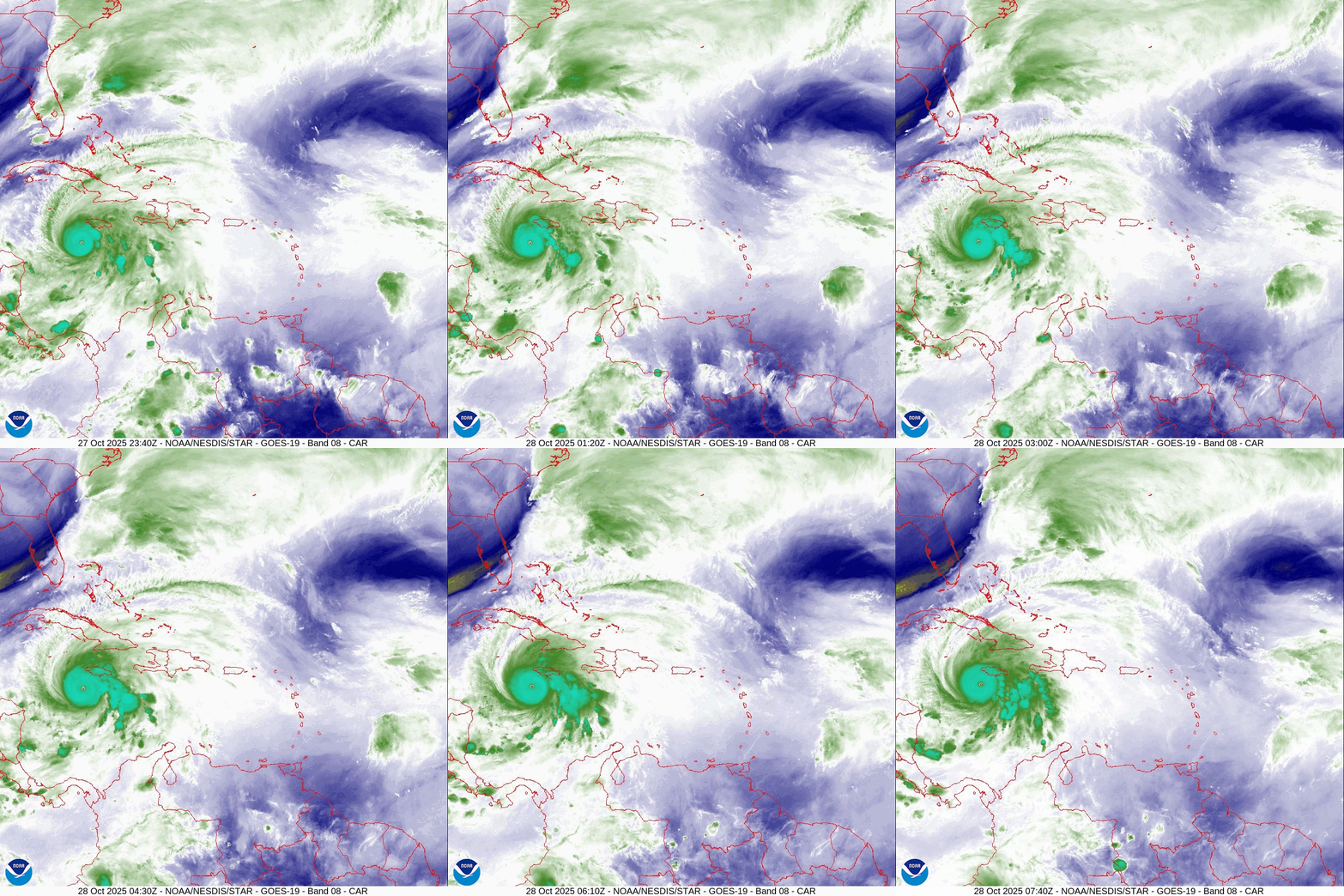
First diagram shows abundant dry air over the Gulf and most of the Atlantic.
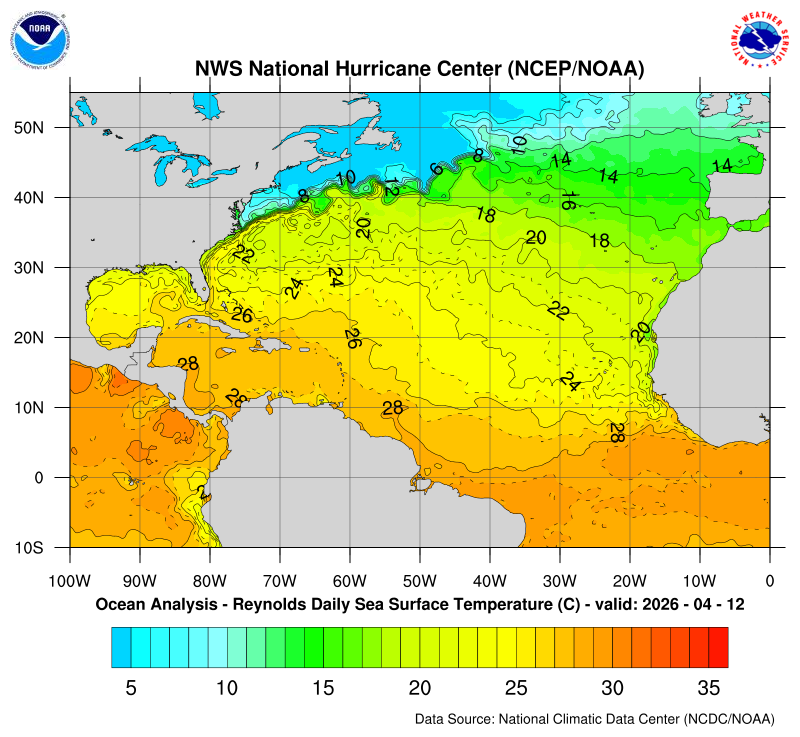
Second diagram, sea surface temps, shows the only warm water currently is in the Caribbean, with an El Nino storms may have a hard time getting to it due to associated shear.
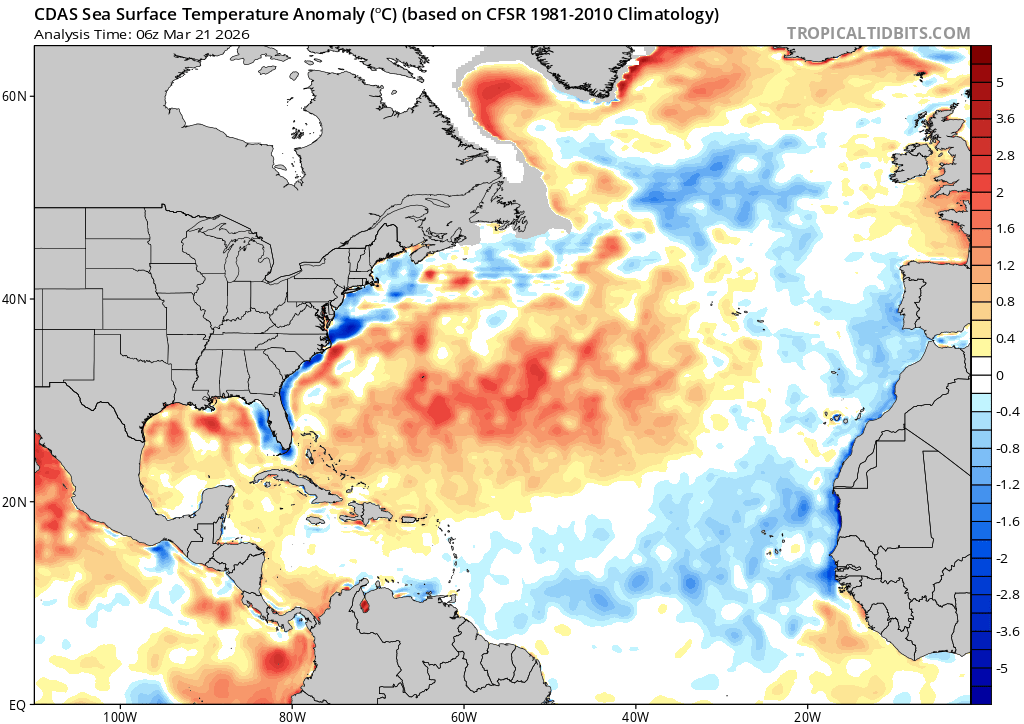
Third diagram, Sea Surface Temperature Anomaly (Variation from expected for this time of year, not absolute), shows the main area of above expected temps in the Western Atlantic north of 20 degrees, as well as some in the Gulf.
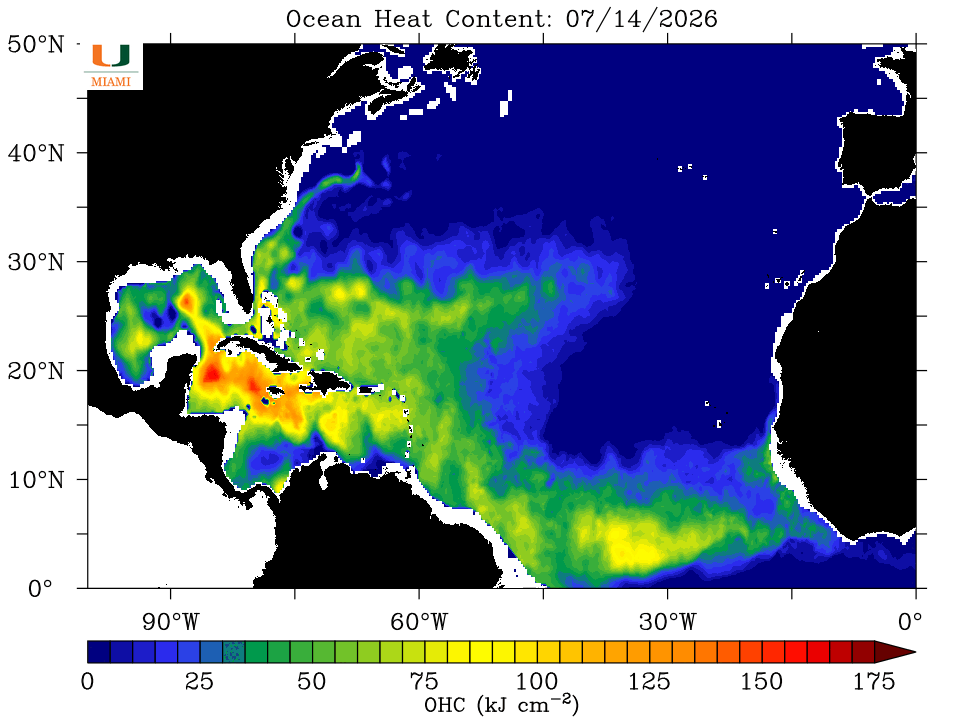
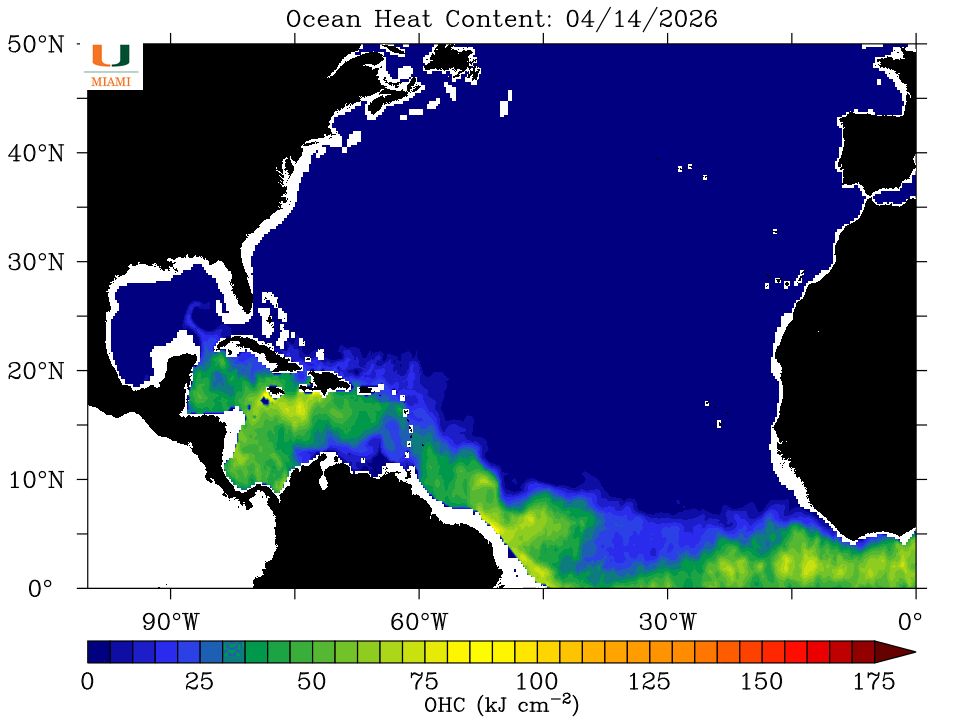
Fourth, Heat Content, which is water temperatures to depth, 200 feet, which shows heat in the Caribbean however the Gulf has significantly cooled, at depth, due to our unusually cold winter this year, with lots of wind as well.
The bottom line. We should see below average tropical activity in 2026. In particular SE Florida should be at lower risk. The areas at greatest risk this year will be the Bahamas and the US East Coast. The Gulf may not see activity until late in the season, ? mid September through early November.
Rainfall at my house in 2025, despite a 10 inch rain event on 3/30/25 was 57.32", below my 36 year running average of 66.45".
Wishing everyone a quiet 2025 Hurricane Season,
Matt.
2026 Atlantic Tropical Cyclone Names:
Arthur
Bertha
Cristobal
Dolly
Edouard
Fay
Gonzalo
Hanna
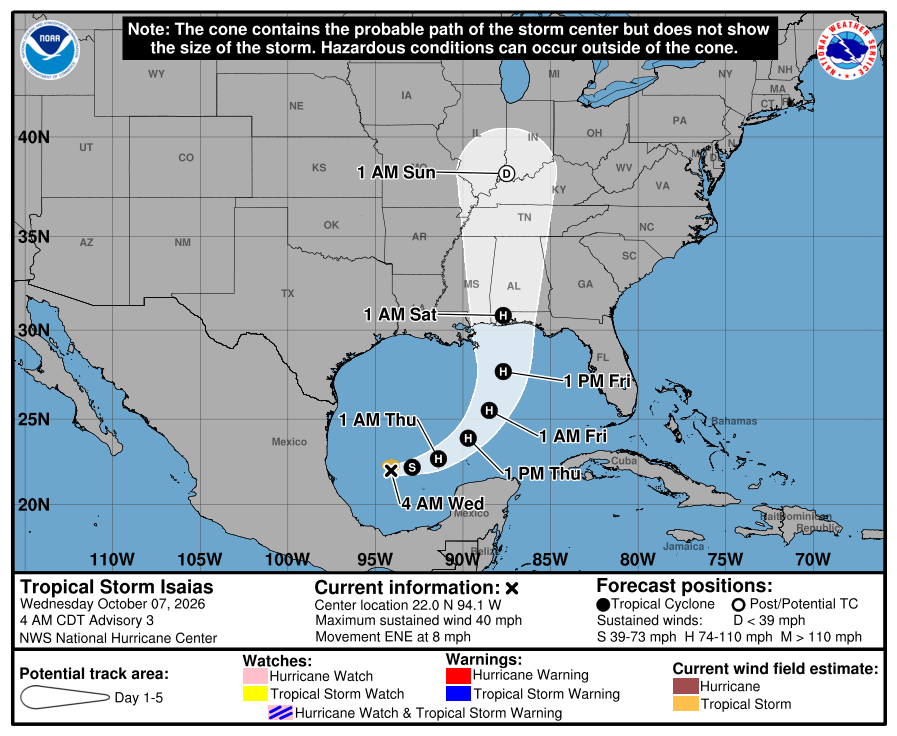
Isaias
Josephine
Kyle
Leah
Marco
Nana
Omar
Paulette
Rene
Sally
Teddy
Vicky
Wilfred
Unlike 2024, 2025 was a very good tropical season for the entire US with no landfalling hurricanes.
We are currently in a La Nina which is forecast to end by the end of this month. An El Nino is forecast to start in August and become strong by September/October. This combined with below average water temperatures in the far Eastern Atlantic should lead to a reduced Cape Verde season (which are the storms that pose the greatest risk to South Florida). If you look at the maps below you will notice several things.
First diagram shows abundant dry air over the Gulf and most of the Atlantic.
Second diagram, sea surface temps, shows the only warm water currently is in the Caribbean, with an El Nino storms may have a hard time getting to it due to associated shear.
Third diagram, Sea Surface Temperature Anomaly (Variation from expected for this time of year, not absolute), shows the main area of above expected temps in the Western Atlantic north of 20 degrees, as well as some in the Gulf.
Fourth, Heat Content, which is water temperatures to depth, 200 feet, which shows heat in the Caribbean however the Gulf has significantly cooled, at depth, due to our unusually cold winter this year, with lots of wind as well.
The bottom line. We should see below average tropical activity in 2026. In particular SE Florida should be at lower risk. The areas at greatest risk this year will be the Bahamas and the US East Coast. The Gulf may not see activity until late in the season, ? mid September through early November.
Rainfall at my house in 2025, despite a 10 inch rain event on 3/30/25 was 57.32", below my 36 year running average of 66.45".
Wishing everyone a quiet 2025 Hurricane Season,
Matt.
2026 Atlantic Tropical Cyclone Names:
Arthur
Bertha
Cristobal
Dolly
Edouard
Fay
Gonzalo
Hanna
Isaias
Josephine
Kyle
Leah
Marco
Nana
Omar
Paulette
Rene
Sally
Teddy
Vicky
Wilfred